

Russia is to ban jet fuel exports for an additional three months, with a previous deadline, set in June 2026, set to expire in the coming days.
On November 27, 2026, as speculation about an extension mounted, the Russian cabinet’s press service confirmed that a new temporary ban on exports of jet fuel would be imposed.
The resolution, signed by Russian officials, will ban all jet fuel exports, including fuel purchased in exchange trading, from December 1, 2026, until March 31, 2027. The current ban is set to expire on November 30, 2026.
The Russian cabinet asserted that the “decision was made to support a stable situation on the domestic fuel market”.

“The restrictions will not apply to, among other things, supplies of jet fuel under international intergovernmental agreements,” a spokesperson said. “The government is continuing work on maintaining reliable and uninterrupted fuel supplies for the domestic market.”
Russia’s main jet fuel customers are based in Central Asia, including countries such as Kazakhstan, Kyrgyzstan, Tajikistan and Uzbekistan.
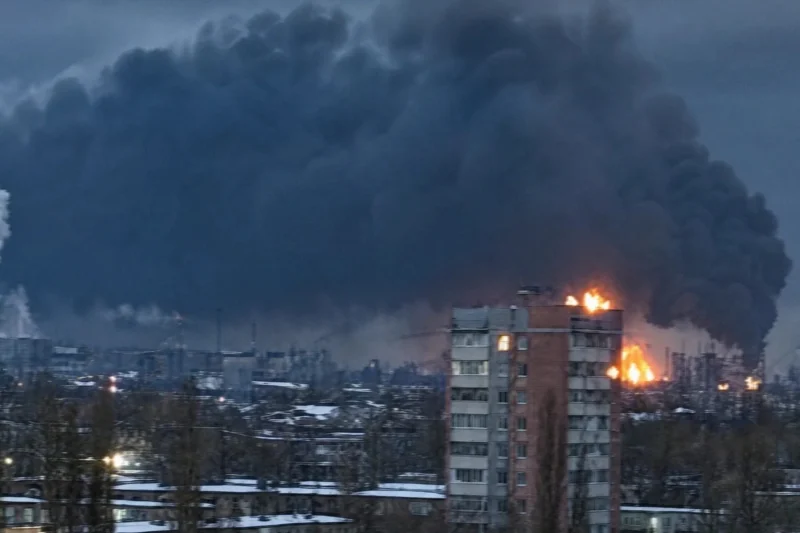
Ukrainian drone strikes on Russian refineries have strained jet fuel production, with the Kirishi Petroleum Organic Synthesis plant and the Slavneft-Yanos refinery among its targets.
According to APA, Deputy Prime Minister Alexander Novak said recently that Russia’s fuel market remains “quite tense” due to the “fact that a number of refineries are under repair”. He added that deficits in fuel are being covered through external supplies.
Ukraine’s long-range attacks on Russia’s refineries are designed to undermine Moscow’s ability to finance its war.